 CHATFIELD
Use the phone-network path when cellular service is available.
The interface design assigns a dedicated online-send control for voice communication through the paired phone and its network connection.
J28 · PHYSICAL PROTOTYPE STAGE
J28 is a physical prototype for a more self-contained off-grid communication device intended for professional teams, distributors and product-development partners. ChatField is accepting B2B project and evaluation inquiries; no public price, certification or commercial release is claimed.
Kickstarter launch preparation is underway. The verified campaign link and launch timing will be published here after they are confirmed.

PROTOTYPE-BASED VISUALIZATION · NOT A FINAL PRODUCTION IMAGE
The J28 program explores a more self-contained smart PTT and LoRa mesh device while preserving the core requirement: local team communication beyond dependable cellular coverage.
The current J25 uses a paired smartphone as the main interface. The J28 prototype explores a separate next-generation direction with an integrated display and more selected interaction available from the device itself.
Screen workflow, radio configuration, battery, enclosure, accessories, firmware, app dependency, compliance scope and production timing remain development-controlled.
J28 FUNCTION AND INTERFACE OVERVIEW
The current J28 hardware and UI design documents describe the following intended functions. They help buyers understand the product direction, but they are not a final production specification or test certificate.
The interface design assigns a dedicated online-send control for voice communication through the paired phone and its network connection.
A separate device-send control is intended to route PTT voice through the J28 LoRa radio path when the team cannot depend on cellular coverage.
The current design specifies a 3.4-inch, 480 × 854 multi-touch display so selected communication, contact and device-management tasks can be handled on J28.
Separate online-send and device-send buttons are intended to make the selected communication path clear during operation. The design also identifies a power key, microphone, speaker openings and status indicator.
The message design organizes direct conversations, group communication and a public or nearby-message area, with voice and PTT message handling shown in the interface workflow.
The current UI includes a separate SOS message category for receiving off-grid help messages. This is a local team alert workflow and is not presented as a replacement for public emergency services.
On first use, the design requires J28 to be bound through the phone app by scanning a QR code. The device password follows the phone-app account, and password login can be managed in the permission settings.
The design shows Bluetooth synchronization with the phone app for private chats, group chats, nearby messages, SOS messages, friend lists, friend details, group lists and group details.
The settings workflow includes firmware update, text-size adjustment, language selection, login permission and hardware-information pages.
The UI design includes an FM screen with power, station search, saved stations, volume control and a minimized display.
The current hardware drawing identifies a Type-C connection and headset socket, together with a data-cable hook. Final connector implementation and accessory scope require engineering confirmation.
The UI document does not establish final LoRa frequency, communication range, battery capacity, operating time, dimensions, weight, ingress protection, production configuration or certification. Those values must be confirmed through the final specification, test evidence and destination-market documentation.
J28 SPECIFICATION STATUS · CURRENT SOURCE: HARDWARE AND UI DESIGN DOCUMENT
This table records what the supplied J28 design document actually establishes. A pending value is intentionally not replaced with an estimate, because procurement, battery transport, radio planning and compliance decisions require model-specific engineering evidence.
J25 AND J28 ARE SEPARATE PRODUCT PATHS
PROTOTYPE TARGETS UNDER EVALUATION
These are development targets, not final product specifications or guaranteed functions.
Evaluate how participating devices exchange local team information without depending on cellular data for the radio path.
Determine which PTT, message, location and alert tasks should be available directly from the device.
Define which configuration, map, account or management tasks remain in the companion-phone workflow.
Translate route, terrain, team spacing and shift requirements into measurable prototype acceptance tests.
Align brand, enclosure, packaging, app, firmware, accessories and destination-market needs before design freeze.
Build the verification, field-test, quality and market-document plan around the final configuration—not the rendering.
PROPOSED SYSTEM LOGIC · SUBJECT TO DEVELOPMENT
DEVELOPMENT GATES FOR PROCUREMENT
Destination market, user roles, workflows, environment, team size, volume and customization scope.
Hardware, firmware, interface, radio, battery, enclosure, accessories and development responsibilities.
Functional, radio, power, mechanical, environmental and quality checks against written acceptance criteria.
Real-route testing with the intended team layout, obstacles, movement and operator workflow.
Market-specific testing and documentation matched to the final hardware and radio configuration.
Approved bill of materials, quality plan, packaging, lead time, commercial terms and release decision.
DOCUMENT AND CLAIM BOUNDARIES
The J25 product PDF, FCC ID 2BVP9-J25, FCC grants and J25 reports apply only to their identified model and scope. They must not be used as J28 certification, specification or commercial-readiness evidence.
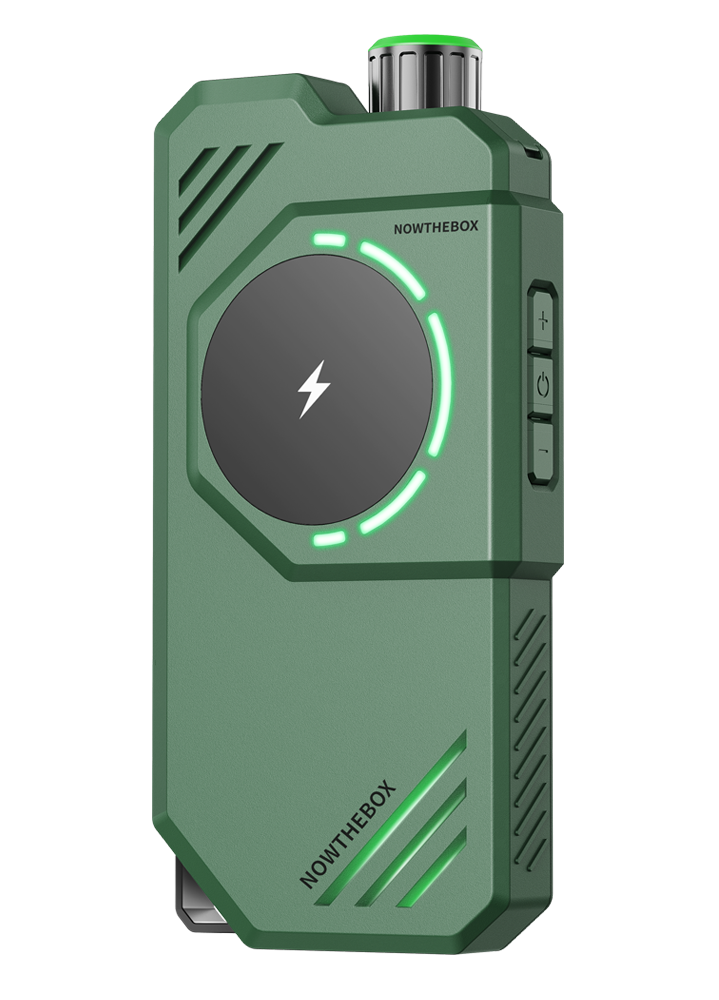
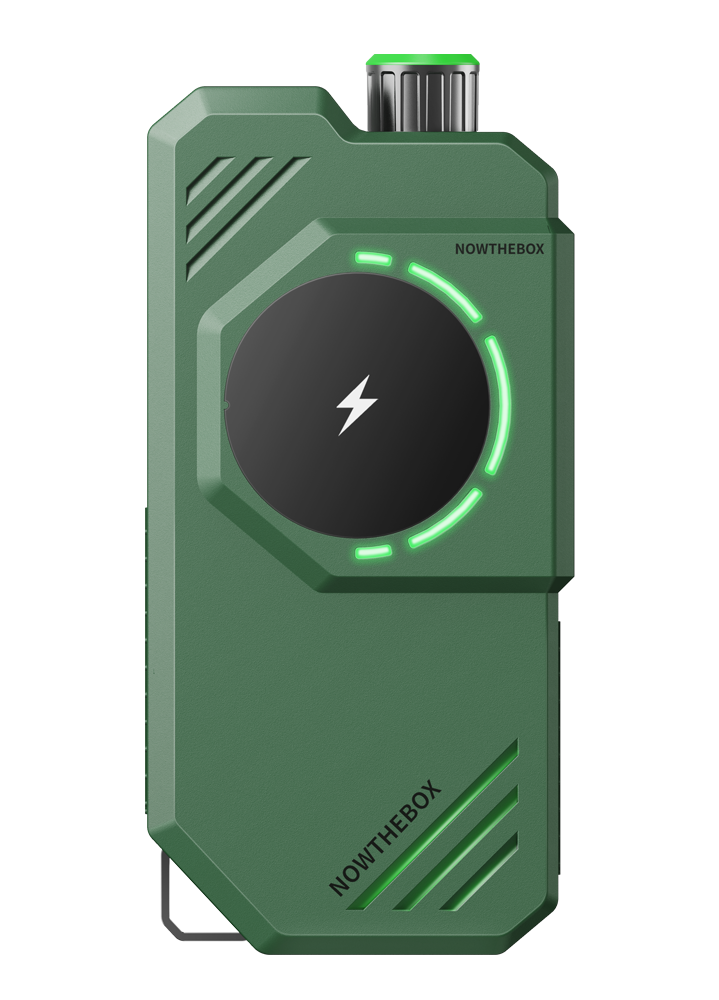
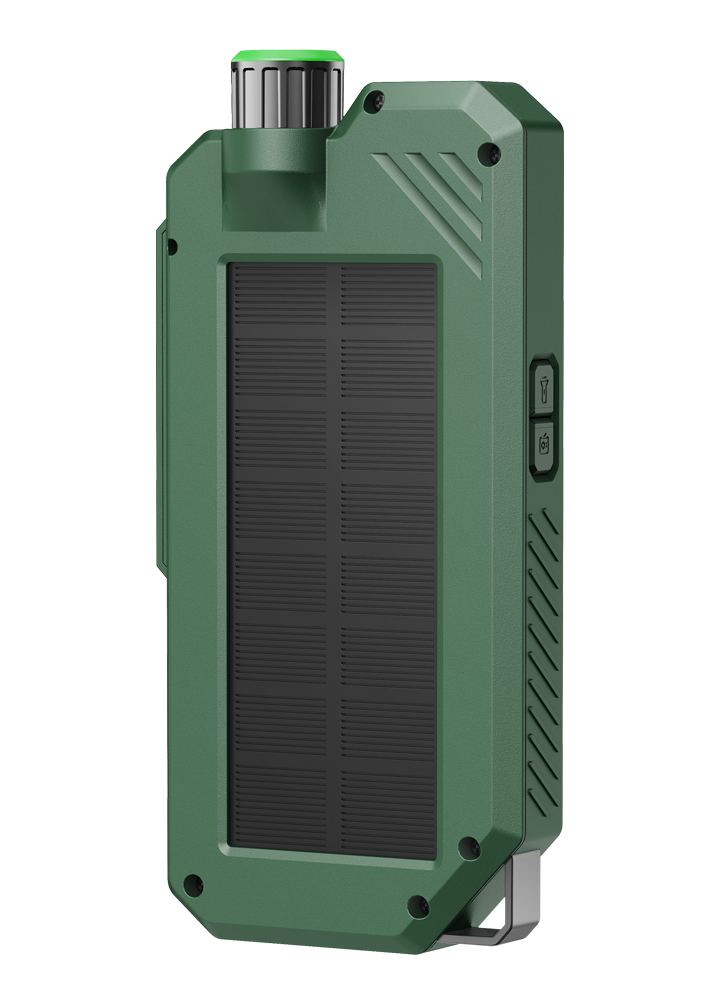
PRODUCT VISUALIZATION BASED ON THE PHYSICAL PROTOTYPE
This visualization is based on the orange prototype photographs. It is not a dimensioned engineering drawing, and final dimensions, enclosure details and production finish remain subject to confirmation.

REAL J28 PROTOTYPE PHOTOGRAPHY
These are photographs of the current orange prototype. Enclosure finish, controls, dimensions, interfaces and final production appearance may change.


HOW A J28 B2B EVALUATION STARTS
J28 has no public checkout. Evaluation scope, engineering work, prototype supply, tooling, certification budget and any future production price must be defined in a written B2B proposal.
No. J28 is listed at the physical-prototype stage for B2B project and evaluation inquiries. This page intentionally provides no public price, add-to-cart button or online checkout.
Kickstarter campaign preparation is underway, but the public campaign link and launch timing have not yet been confirmed on this website. This page will be updated when the verified campaign destination is ready.
J25 is the current phone-paired LoRa mesh communication product path for sample evaluation and B2B quotation. J28 is a separate development direction exploring more selected interaction from the device itself.
The current design describes a 3.4-inch touch display, separate online and LoRa device-send controls, voice and PTT workflows, private and group communication, nearby messages, a local SOS message category, phone-app QR binding, Bluetooth synchronization of messages and contacts, FM radio, firmware update, language and text-size controls, login permissions and hardware-information pages. Final implementation still requires engineering confirmation.
No. They are development targets used to organize buyer requirements. Final functions, hardware, firmware, radio, battery, enclosure, accessories and timing require engineering confirmation.
No. FCC ID 2BVP9-J25 and the public FCC files identify model J25. They must not be represented as J28 authorization or compliance evidence.
A qualified partner can submit market, workflow, volume, branding and technical requirements for feasibility review. Acceptance of a development project depends on scope, resources, timing and commercial alignment.
There is no public J28 price. Feasibility work, prototypes, engineering, tooling, certification and production are quoted only after the written development scope and responsibilities are defined.
J28 B2B INQUIRY
Tell us the destination country, operating environment, required functions, estimated volume and evaluation target.
Product document portal
Use the public product PDF for initial buyer evaluation. Review model-specific certification scope before deployment in a destination market.
Download the English product introduction currently available in Shopify Files.
Download PDF ↓ CERT Model-specific public evidenceReview FCC equipment authorization evidence and the documented battery and transport scope.
Review certification evidence →